
Snow Retention That Protects What Falls Below
Snow retention systems in Pittston for metal roofs where uncontrolled snow release threatens entryways, vehicles, and walkways
Snow retention systems work by distributing accumulated snow across the roof surface and releasing it gradually rather than allowing the full load to shear off in a single sheet. ABL Roofing installs snow guards and retention rails on metal roofs in Pittston for property owners who have watched an entire winter’s worth of snow leave the roof in a matter of seconds, carrying gutters, shrubs, and anything beneath the drop zone with it. The physics of a standing seam metal roof make this a real and recurring structural concern: the smooth panel surface combined with the steeper pitches common on older New England construction creates ideal conditions for sudden and complete snow release.
The installation approach depends on whether the retention system is going onto a new roof or being retrofitted onto an existing panel system. For new construction, snow guards can be integrated with the concealed clip fastening system during panel installation, distributing load through the panel structure without any penetrations. Retrofitting onto an existing standing seam roof uses clamp-style hardware that attaches directly to the raised seam without drilling through the panel face, a critical method that preserves the waterproof integrity of the roof at every attachment point. ABL Roofing evaluates the roof pitch, panel profile, and expected loading conditions for each property before specifying the hardware type, row spacing, and total row count required.
Arrange a site evaluation to determine the correct retention system layout for your roof’s specific panel profile and pitch.
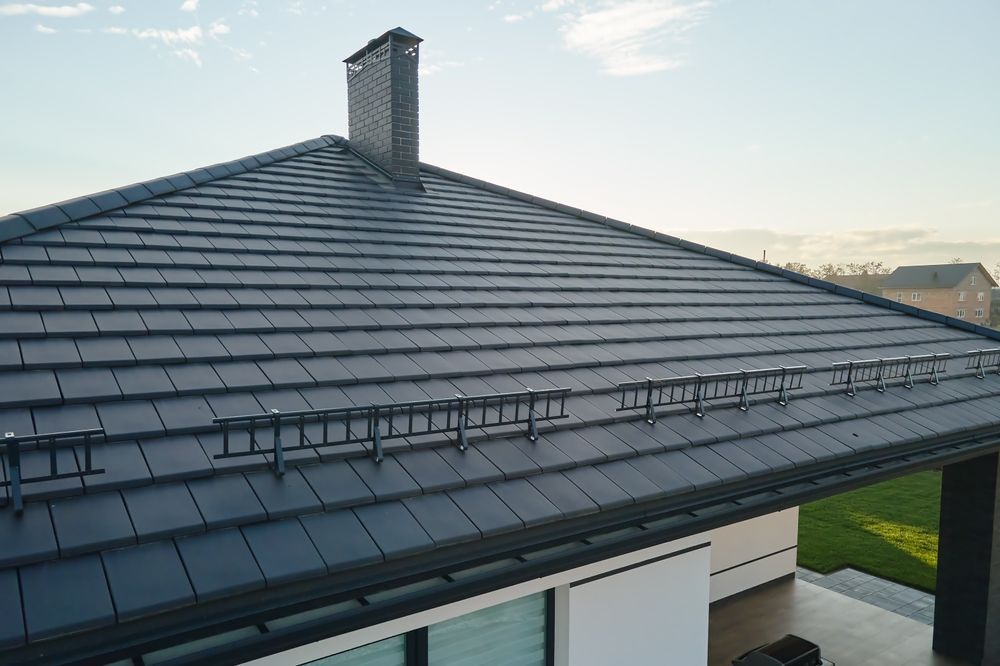
What Changes After Snow Retention Is Installed
The primary functional shift after installation is predictability: snow no longer leaves the roof in uncontrolled, sudden releases. Instead, the retention hardware holds the accumulated layer in place while melt water runs beneath it and drains off the eave in a controlled flow rather than pooling or refreezing mid-slide. ABL Roofing spaces retention rows based on the roof’s pitch and the distance between eave and ridge, because an under-specified layout allows snow to bridge over the guards and slide anyway—a common failure in systems sized by guesswork rather than calculated load requirements.
After installation, gutters below the roof are no longer subjected to impact loads from falling snow sheets. Entryways, vehicles parked near the structure, and landscaping planted along the foundation perimeter are no longer in the fall zone for sudden releases. For commercial properties in Pittston where pedestrian safety is an active liability concern, snow retention converts the roof from an unmanaged hazard into a surface that sheds water rather than launching packed ice and snow.
Snow retention hardware is manufactured in profiles engineered specifically for different standing seam heights and widths, so the correct clamp fit must be confirmed against the installed panel before ordering. A clamp that does not fully engage the seam will work loose under load and provide no real retention across a season of accumulation. For roofs with complex geometries—multiple pitches, dormers, or intersecting valleys—each plane is evaluated independently, because snow accumulation and release patterns vary significantly across sections of the same structure.
Answers About How Snow Retention Works
Property owners installing or retrofitting snow retention on Pittston metal roofs often have specific questions about how the hardware functions and what governs the layout specification.
- How is the spacing between snow retention rows determined? Row spacing is calculated from the roof pitch and the distance from eave to ridge so the snow load held by each row stays within the hardware’s rated load capacity.
- What makes seam-clamp attachment preferable to drilled fasteners on an existing metal roof? Seam-clamp hardware attaches to the raised seam without penetrating the panel face, preserving the waterproof integrity of every attachment point—drilled fasteners create potential leak paths at each hole location.
- When should snow retention be added to a new metal roof versus retrofitted later? Installing retention during new construction allows integration with the panel clip system for stronger attachment, but retrofit clamp systems are engineered specifically to perform comparably on existing seam profiles when the correct profile match is confirmed.
- How do you verify that a snow retention layout will hold the expected load over a full winter? The manufacturer’s load tables are applied to the specific roof pitch, metal panel gauge, and regional design snow load to calculate the number of rows and guard spacing required for that installation.
- What should a finished snow retention installation look like before winter loading begins? Properly installed retention hardware sits tight to the panel surface, aligns in clean horizontal rows across the roof, and shows no movement or play when tested by hand at each attachment point.
ABL Roofing installs and retrofits snow retention systems on metal roofs in Pittston, working from panel-specific hardware specifications rather than generic layouts. Schedule a retention layout review to determine the correct configuration for your roof’s profile and loading conditions.